WORKING THE LAND
Farming, orchards and logging in Hornsby Park
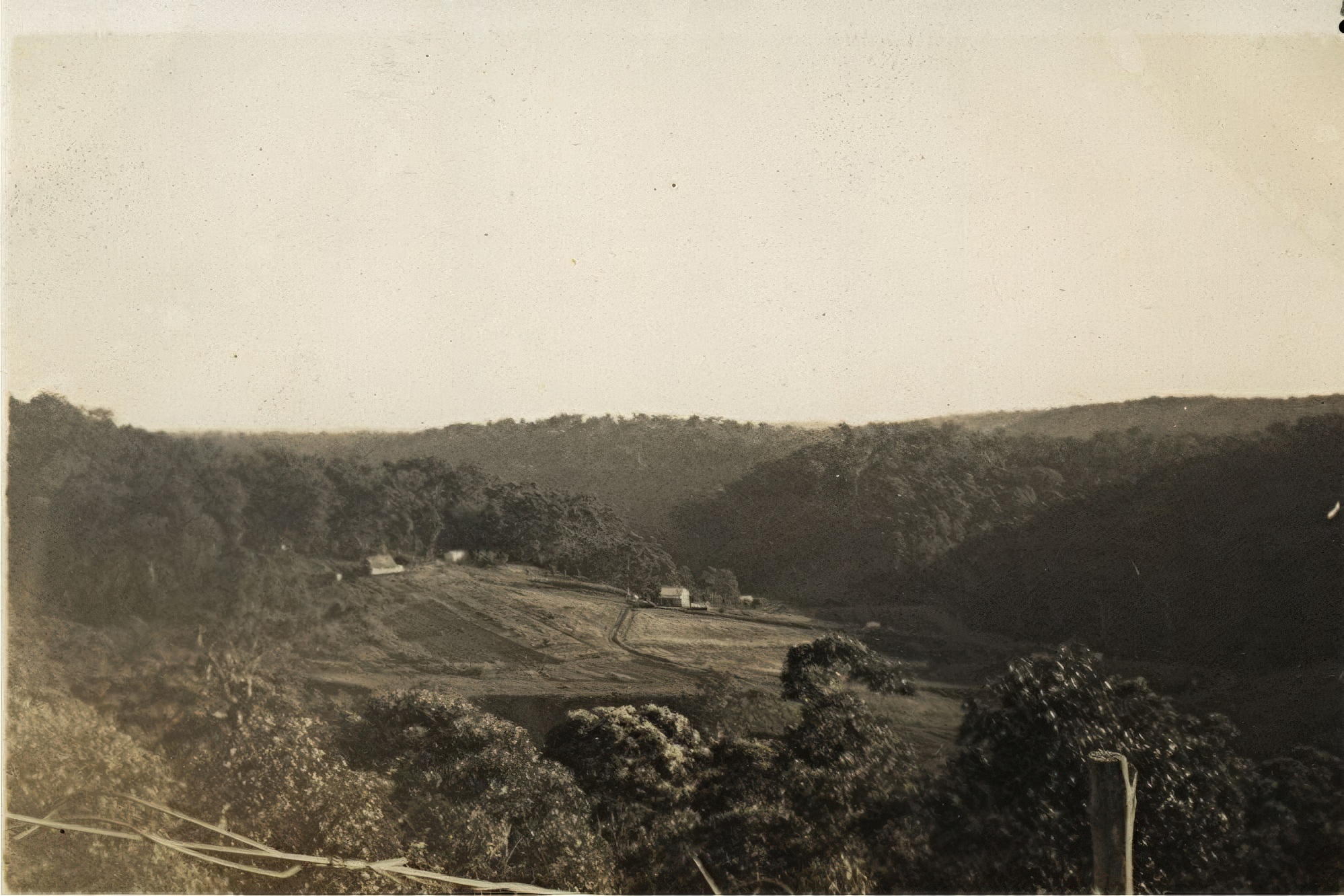
From the mid-19th century, Hornsby Park and Old Mans Valley became a centre for farming and orcharding.
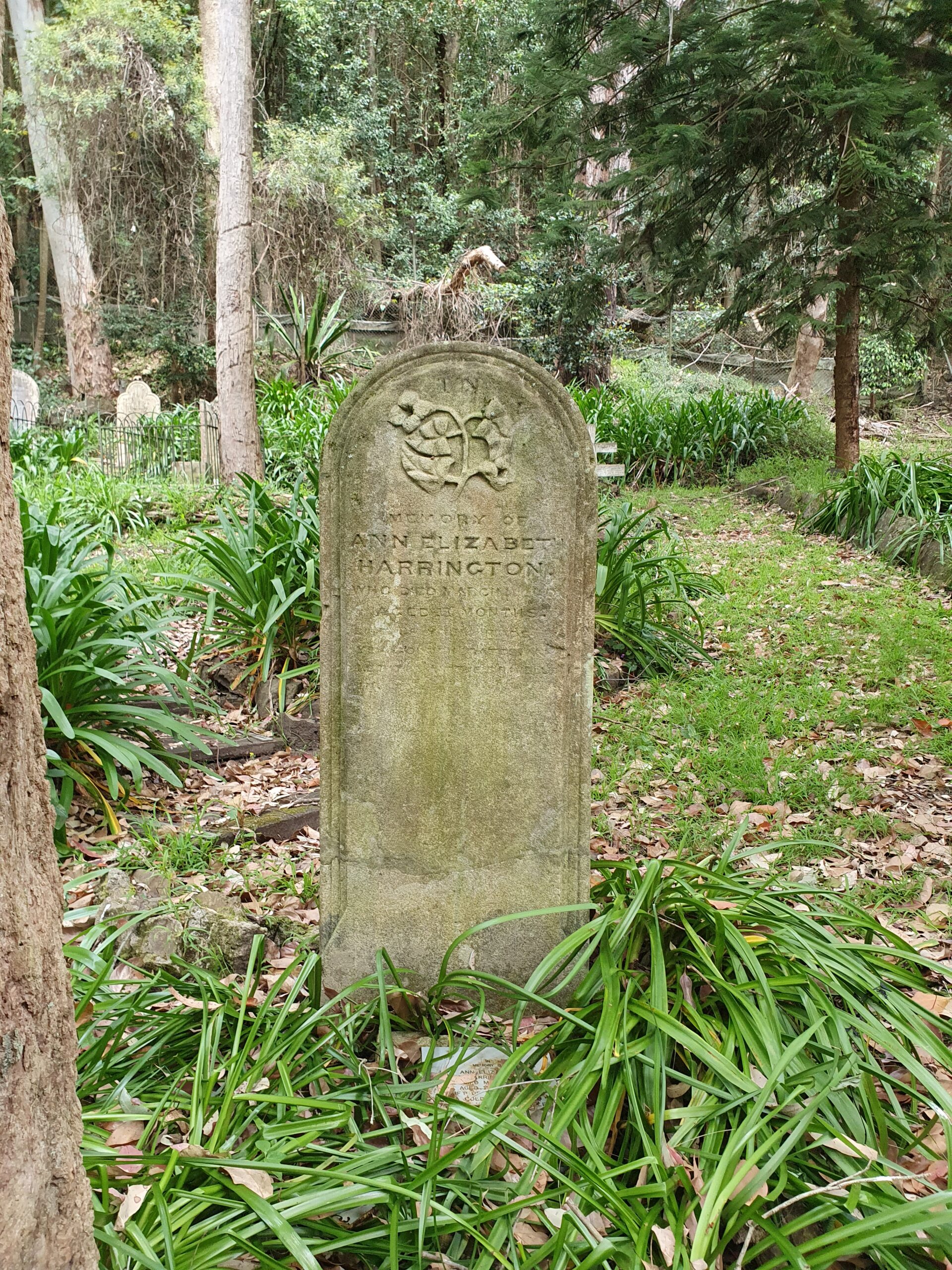
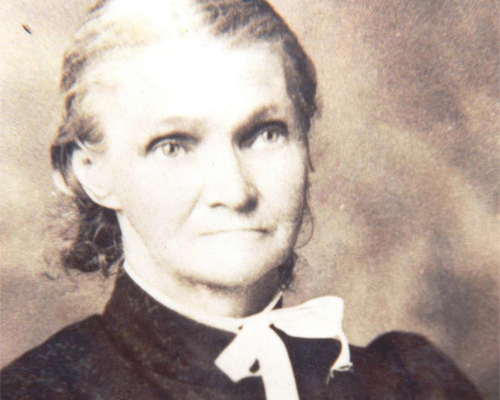
Families such as the Higgins and Harringtons grew citrus, stone fruit and apples for Sydney markets, while small-scale mixed farming supported local households.
The surrounding bushland also supplied valuable timber.
From the late 1800s, logging provided hardwood for railway sleepers and construction. Tracks made for bullock drays and timber hauling later formed the basis of trails still visible today.
For generations, the valley was closely tied to rural livelihoods, with orchards thriving well into the 20th century.
By mid-century, however, farming and logging declined as urban growth and changing markets took hold.
Today, Old Mans Valley is valued for its recreation and heritage. Remnant orchards, fruit trees and family stories continue to preserve the memory of its farming and timber past.
DID YOU KNOW
In 1824, Thomas Edward Higgins received a 250-acre land grant in Old Mans Valley. The Higgins family began farming the fertile soil and shaping the valley’s future.
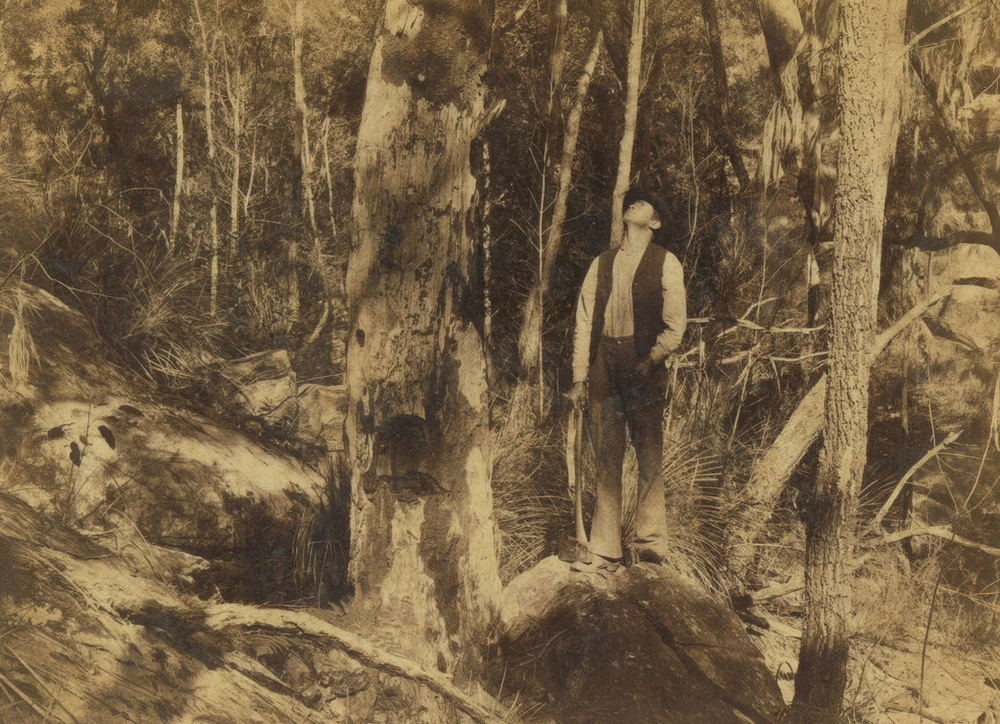
Trevor Harrington
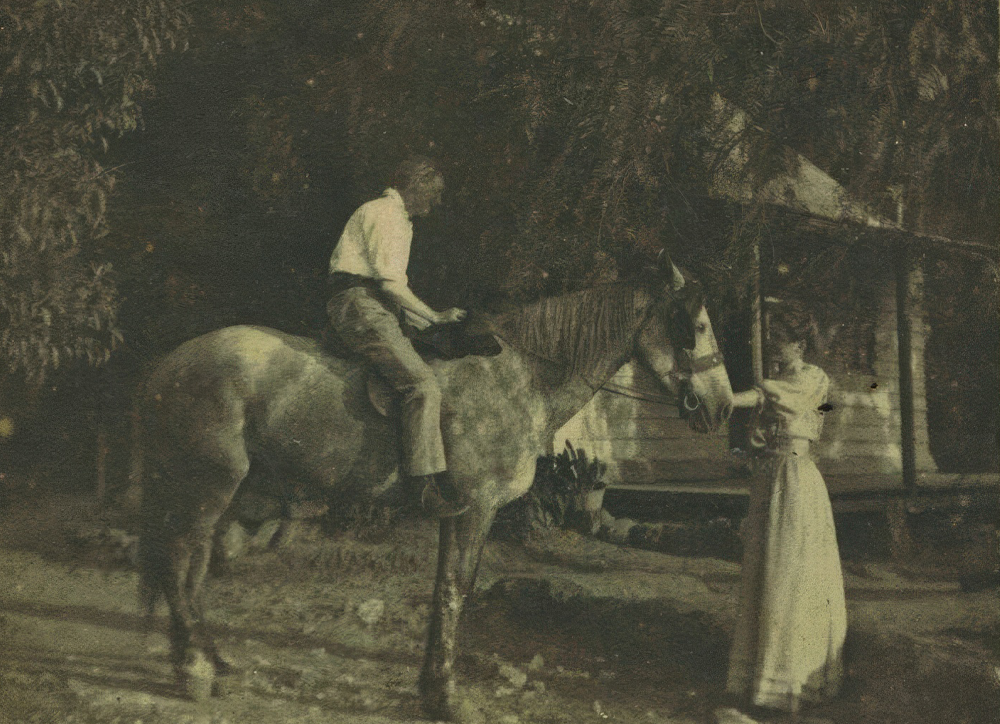
The Harrington family
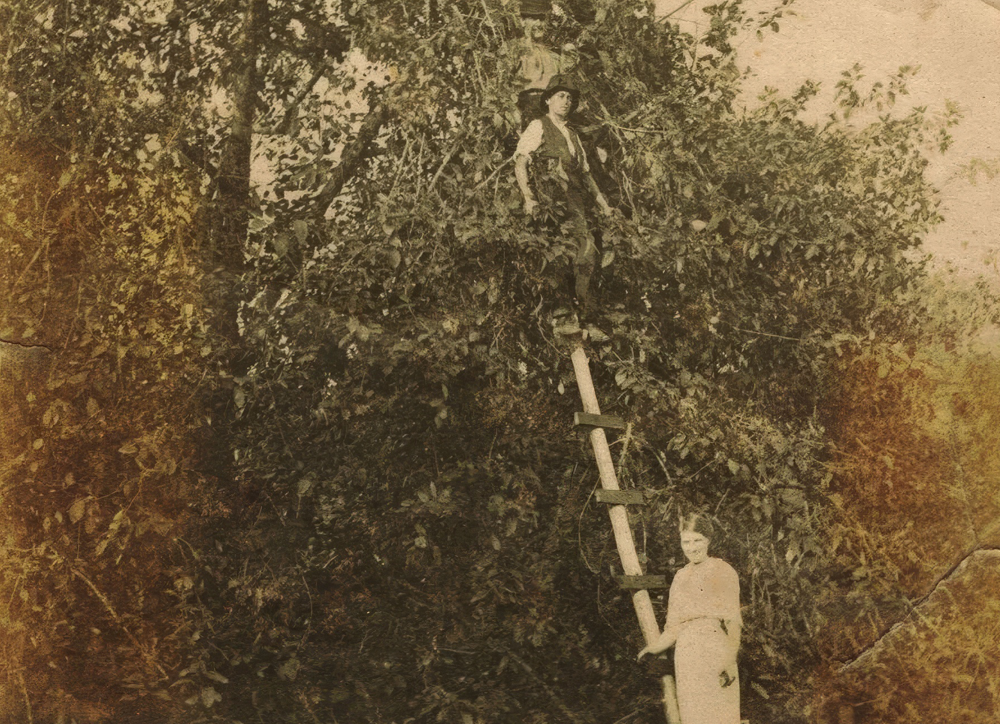
Fruit picking with the Harrington family
REMEMBERING THE PIONEERS
OLD MANS VALLEY CEMETERY
Resting place of the Higgins family
Thomas Edward Higgins was the first permanent, European settler in the district, with the family establishing orchards and small farms in the mid-19th century. As the family grew, so too did the need for a burial place close to home.
In use between 1879 and 1931, the cemetery became the final resting place for members of the Higgins, Harrington, McKenzie and related families. Its modest headstones reflect the hardships of pioneer life, with burials of children, young adults, and older generations.
For decades, the cemetery stood quietly amongst orchards and farmland, a place of remembrance within a working landscape. Even as orcharding declined, it remained one of the last direct links to those early families.
Today, the Old Mans Valley Cemetery is recognised as a site of state heritage significance, offering an important window into Hornsby’s settler history and the generations who shaped the valley.
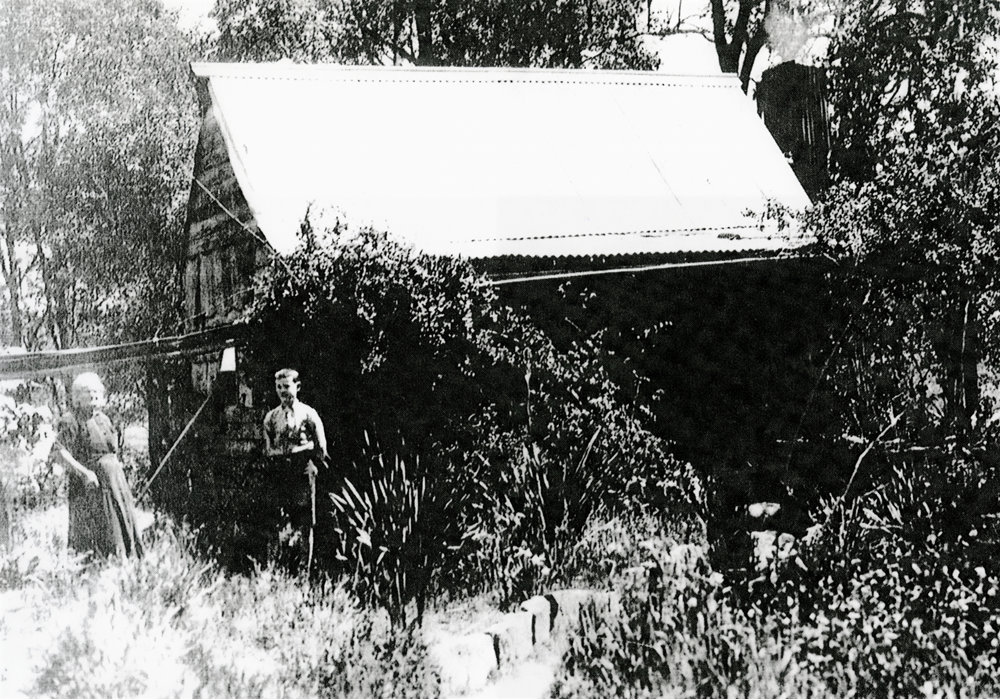
Clara Mckenzie with one of her grandsons outside her home in the valley