THE DIATREME
Hornsby quarry was carved from a band of ancient basalt diabase, known as ‘blue metal’ – rock so hard and durable it became essential to Sydney’s growth.

DID YOU KNOW
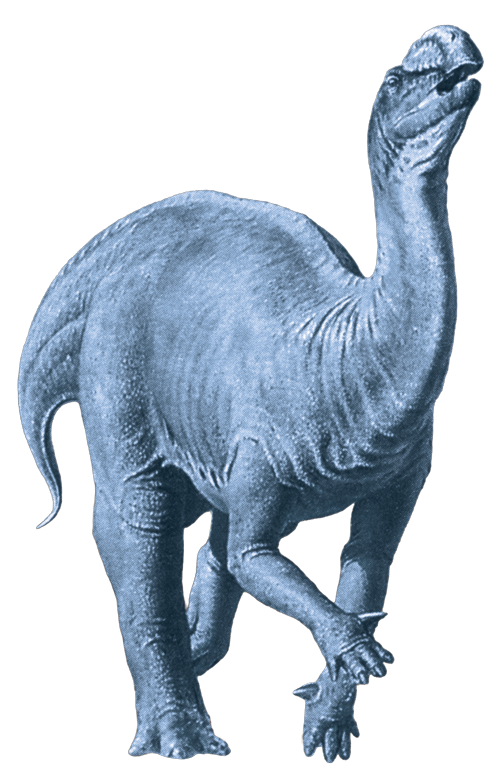
The Hornsby diatreme may have formed while dinosaurs roamed nearby.
Formed millions of years ago from molten volcanic rock, this was the only blue metal deposit on Sydney’s north side. Its location – close to the railway and expanding suburbs – made it invaluable. From the early 1900s, this quiet bushland hollow became a hive of industry under the Higgins family, before Farley & Lewers acquired the site in 1959, expanding and modernising operations.
FIRE BENEATH SANDSTONE
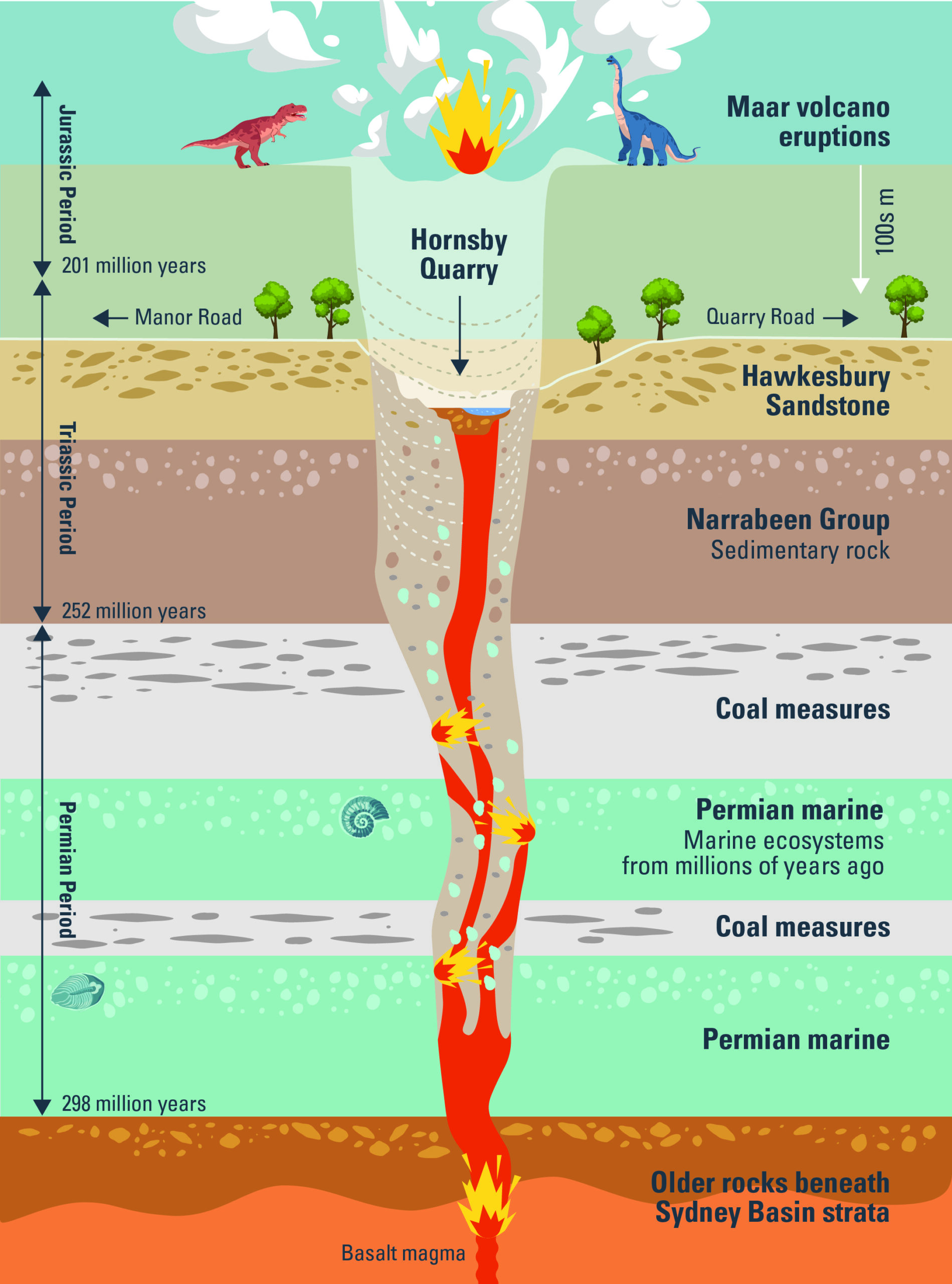
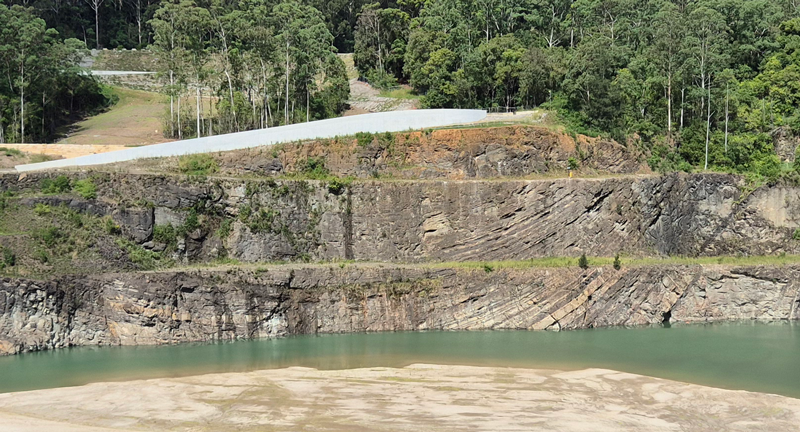
The wave like patterns in the quarry wall are part of the Hornsby-Thornleigh diatreme, one of the largest and best preserved volcanic pipes in Australia. This internationally significant exposure of the diatreme is an important geosite within the Ku-ring-gai GeoRegion.
A diatreme forms when gas-filled magma forces its way up through cracks in the Earth’s crust. The pressure triggers violent explosions, blasting rock from deep underground, some from as far as 3 kilometres below the surface.
These eruptions happened not once, but hundreds or even thousands of times, leaving behind a vertical pipe filled with shattered volcanic rock called breccia. The basalt rich lava from these eruptions led the Higgins family to start quarrying here in 1905. The layers of breccia exposed on the quarry’s eastern face are rare and beautifully preserved. Note the distinctive shape of the layers – subsidence as the diatreme was formed during volcanic buildup and later collapse of the crater. They help scientists understand how the diatreme formed.
This explosive story unfolded around 200 million years ago, when dinosaurs walked the Earth and the surrounding land was hundreds of metres higher than it is today.
Over time, erosion carved the valley we see now, with softer breccia weathering faster than the surrounding sandstone. More recently the landscape was altered when the highly valued volcanic basalt was quarried to build roads and railways.
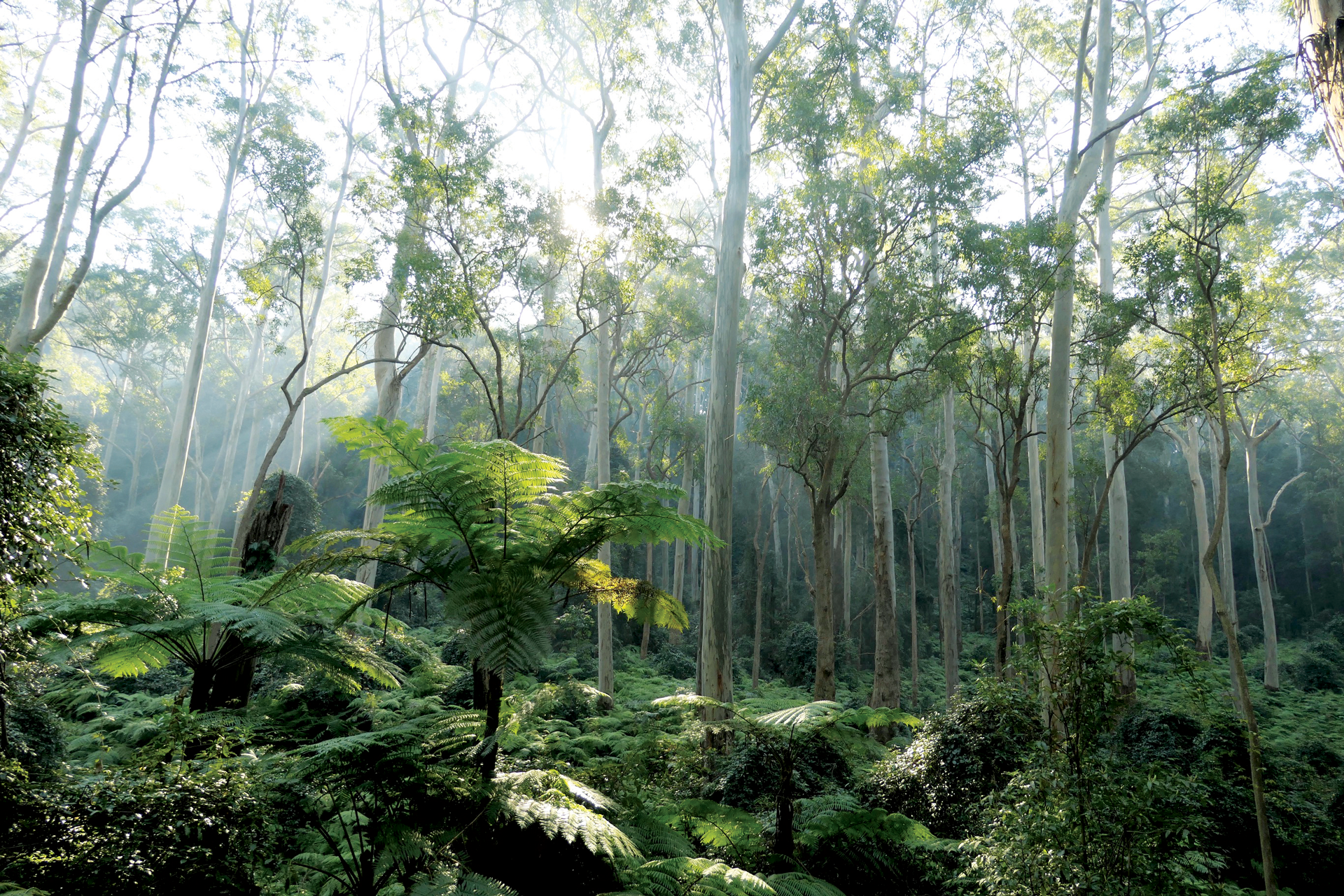
The clay-rich soil left behind by the area’s volcanic history supports the world’s only known Blue Gum Diatreme Forest – a unique ecosystem shaped by ancient fire, geology and time.