FORESTS OF THE VALLEY
Habitat revival
Hornsby Park is home to two distinct forest communities, shaped by the soils beneath them. On deep, volcanic clay, the rare Blue Gum Diatreme Forest rises tall – its canopy reaching over 30 metres. Listed as critically endangered, this forest supports a rich web of life, from possums and bats to the elusive Powerful owl.
Surrounding it, the Blackbutt Gully Forest grows on sandstone slopes, with towering Blackbutts, Angophoras and Turpentines. The trees of these forests form hollows over decades, becoming vital shelter for birds, bats, and small mammals.
Logs, leaf litter and rocky ground provide habitat for echidnas, wallabies and the tiny Brown Antechinus. Every layer of the forest, from canopy to soil, plays a role in supporting biodiversity.
These forests are more than trees – they’re living systems, shaped over centuries and irreplaceable in their complexity.
DID YOU KNOW
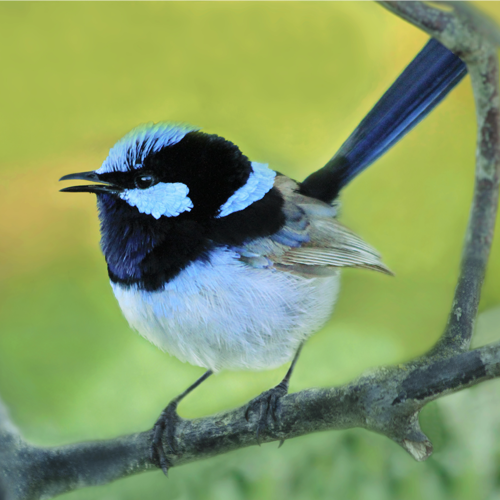
Up to 132 species of fauna have been recorded, including swamp wallabies, echidnas, and 67 species of birds.
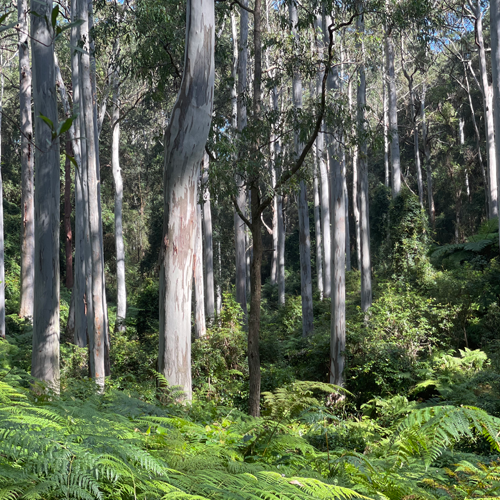
Blue Gum Diatreme Forest
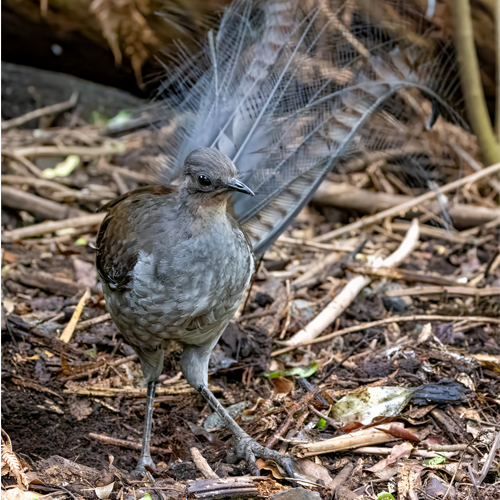
Lyrebird
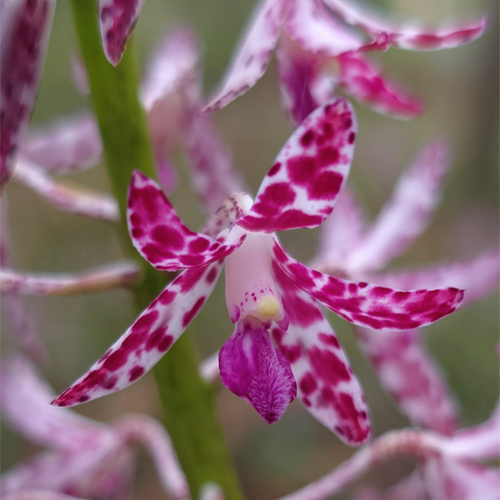
Slender hyacinth-orchid
POWERFUL OWLS
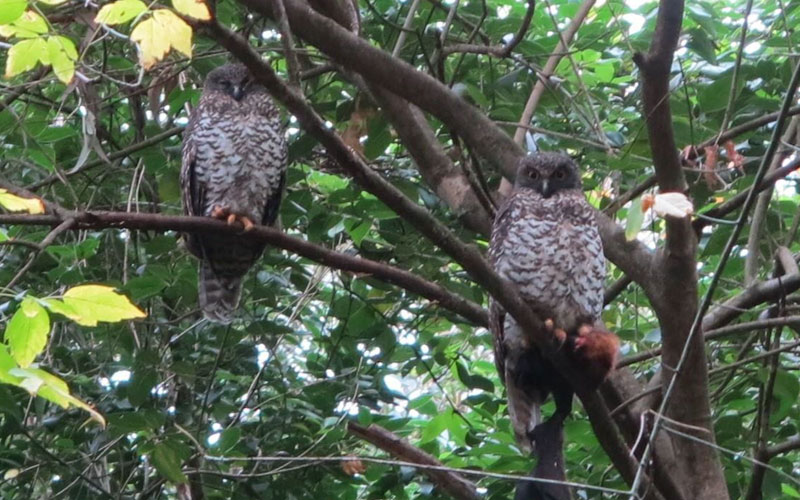
Hornsby Park continues to be an important place in urban Sydney where powerful owls still breed – a rare refuge for a remarkable species.
VEGETATION MANAGEMENT PLAN (VMP)
It’s important that the creation of the recreational spaces is balanced with the conservation, rehabilitation and restoration of the surrounding bushland. In order to do this, the Vegetation Management Plan and Habitat Creation and Enhancement Plan (VMP) has been prepared to provide direction for ongoing native vegetation and habitat management of the site.
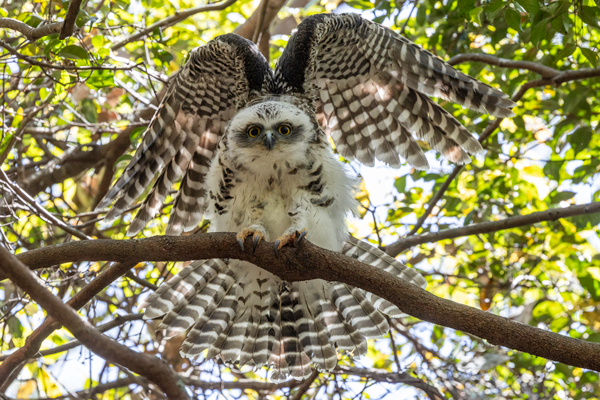
In the bushland of Hornsby Park, a quiet drama unfolds each winter. Australia’s largest nocturnal raptor, the powerful owl (Ninox strenua), returns to nest and raise its young. With a wingspan of up to 140cm and formidable talons, these owls hunt possums, gliders, flying foxes, and sometimes rabbits and rats.
They form lifelong pair bonds and rely on large, old tree hollows to shelter their owlets. By late winter or spring, one or two fledglings emerge, ready to explore the valley.
Powerful owls are territorial and need vast areas of intact bushland to survive. Their deep ‘whoo-hoo’ call is often the only sign they’re nearby.
Listed as vulnerable in NSW, they face threats from habitat loss, car and glass strikes, secondary poisoning from rat bait, and attacks on fledglings (who spend much of their time on the ground) by dogs, cats and other birds.
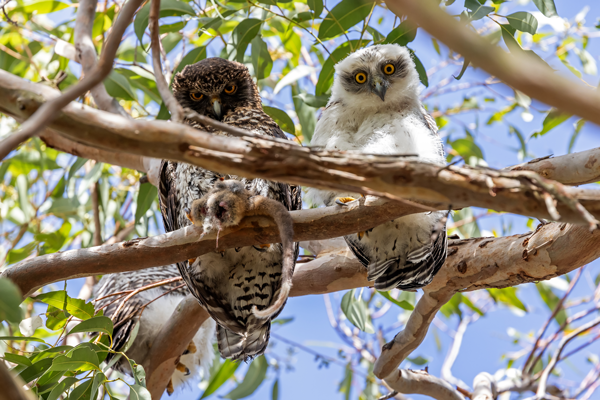
Parent and fledglings