WATER IN HORNSBY PARK
What was once part of an extractive landscape is now helping the environment recover – one drop at a time.
When it rains, stormwater is carefully guided around the Quarry Lake to protect its clean water. The lake itself is constantly topped up with rain and groundwater, so in addition to being released downstream, lake water will be used to irrigate grass and plants, flush toilets, and cool the park.
All stormwater generated within the park will flow through these natural filters – rain gardens, wetlands, and plant buffers – that remove dirt and pollution. This system of stormwater cleansing, together with pumping, storage and reuse is commonly referred to as integrated water cycle management.
DID YOU KNOW
Rain gardens turn everyday rain into a resource, helping the park thrive while protecting the environment. Water here doesn’t go to waste – it goes to work.
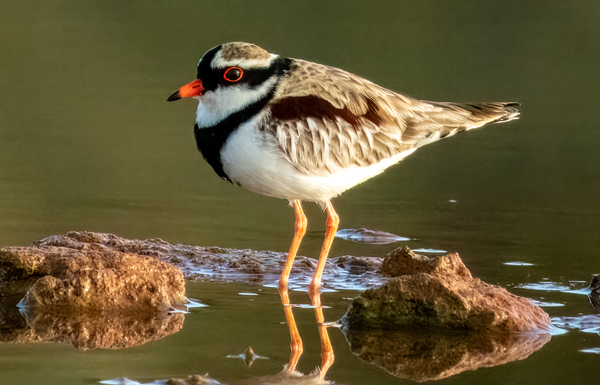
Black-fronted Dotterel
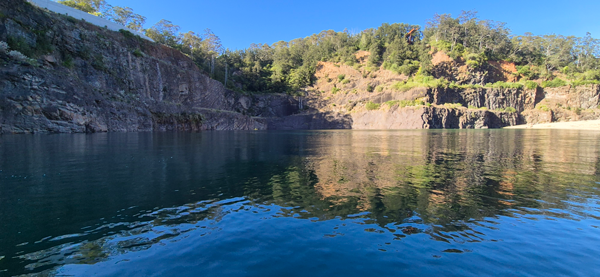
Hornsby Quarry
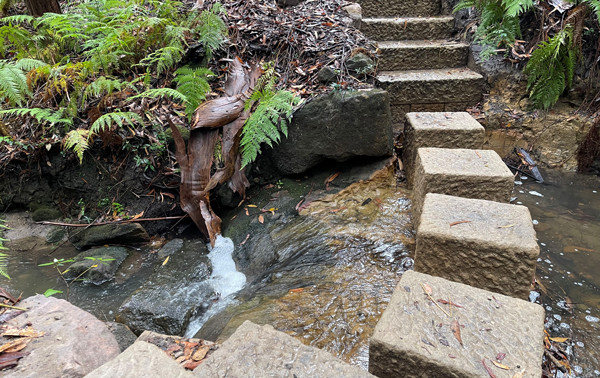
Rain Gardens
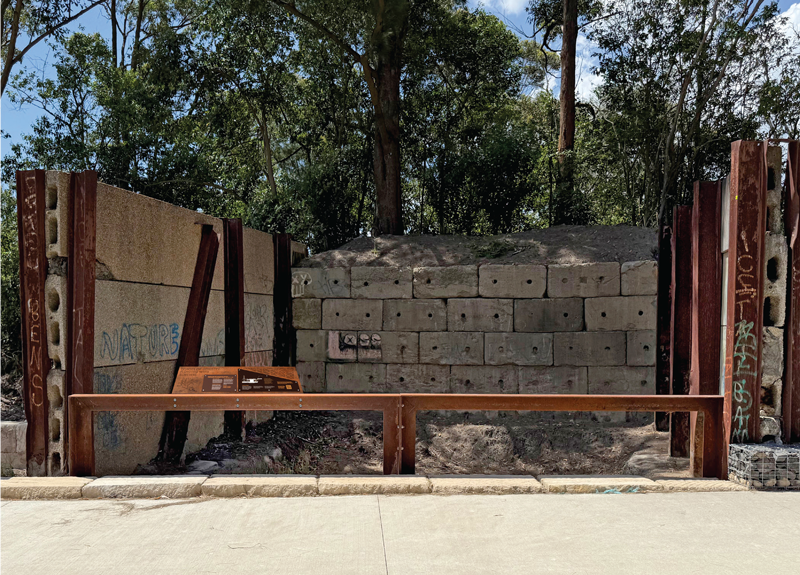
Once used to store crushed blue metal, these concrete storage bays have been adapted to give new purpose to Hornsby Quarry’s industrial past. Today, they form part of an extensive network of water sensitive urban design (WSUD) features being implemented across the Park.
Stormwater from paths and lawns is guided here, where it is slowed, filtered, and cleaned by plants and soil.
As water moves through the system, sediments settle and pollutants are naturally removed before cleaner water flows back into the Park and downstream to Old Mans Creek.
Much of this work happens beneath your feet, but the clues are all around you –lawns that capture rain water, planted basins with sand filters (biofilters), and underground water-storage tanks.
Captured stormwater will be reused to irrigate lawns and flush toilets around the Park to reduce demand on drinking water supply.
This approach to renewal extends beyond water alone. Across the Park, industrial remnants once destined for disposal – concrete culverts, blocks and steel framework – have been reclaimed and reimagined.
Repurposed as picnic shelters and retaining walls, and handrails, they now support new plantings that help restore the valley’s native forests. In this way, the quarry’s industrial fabric continues to serve the landscape, honouring its past while shaping a more sustainable future.
The result? Cooler, greener spaces for people – and healthier waterways for wildlife.